
Last updated November 2, 2026
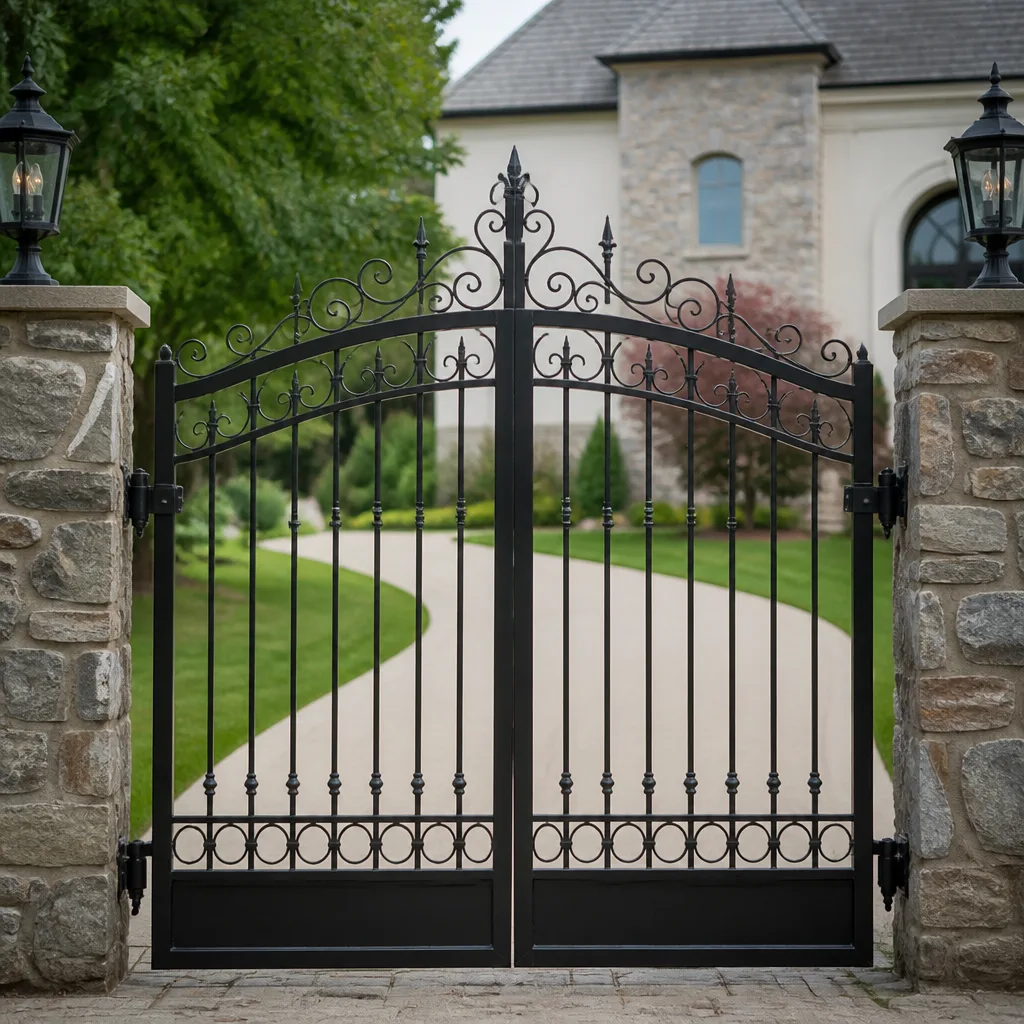 Wrought iron
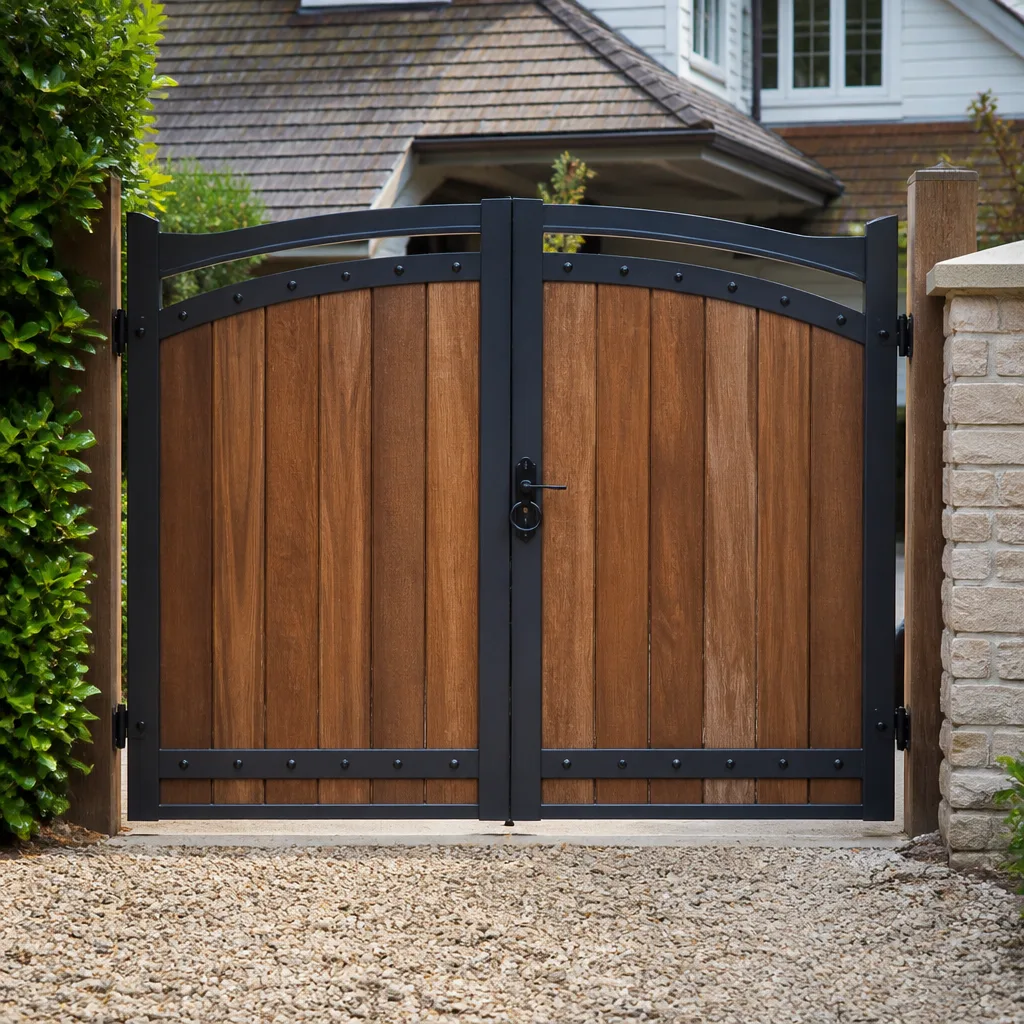 Wood & steel frame
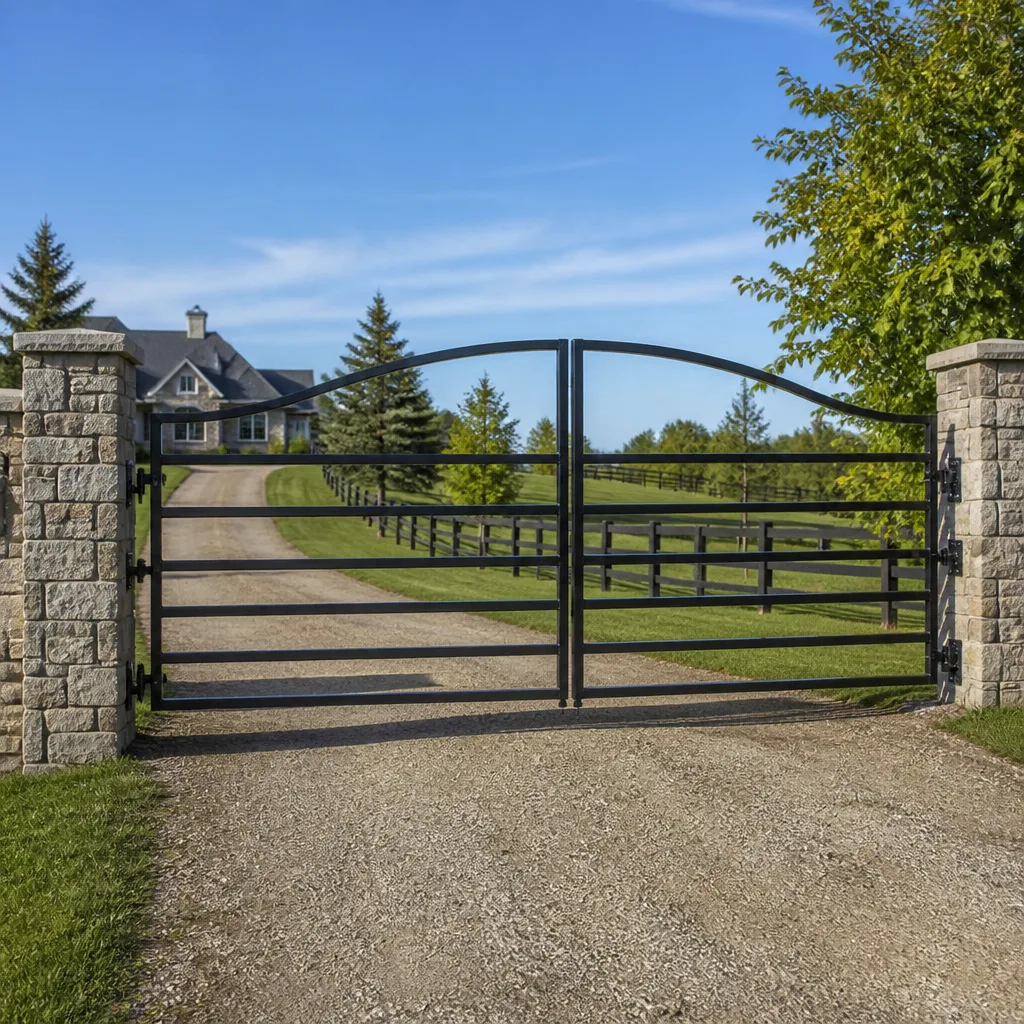 Farm & ranch
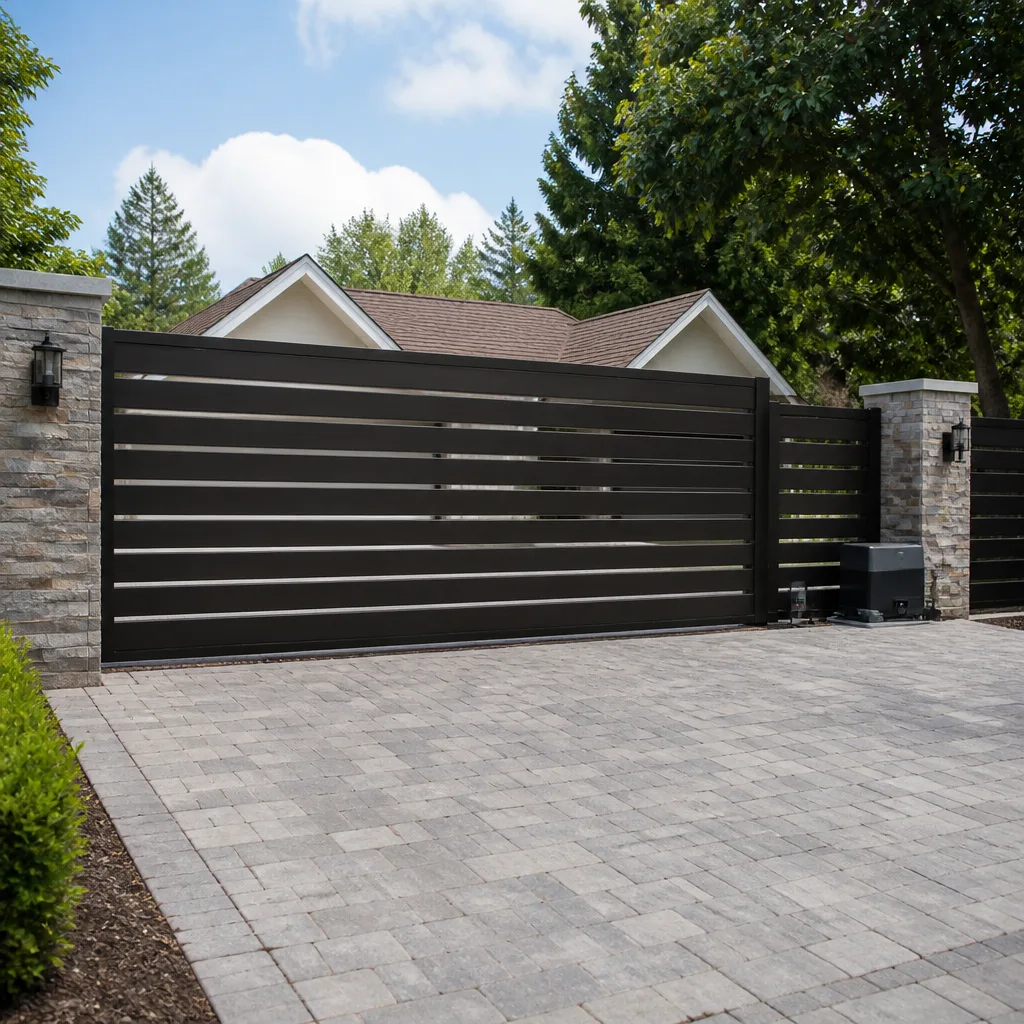 Sliding driveway gates
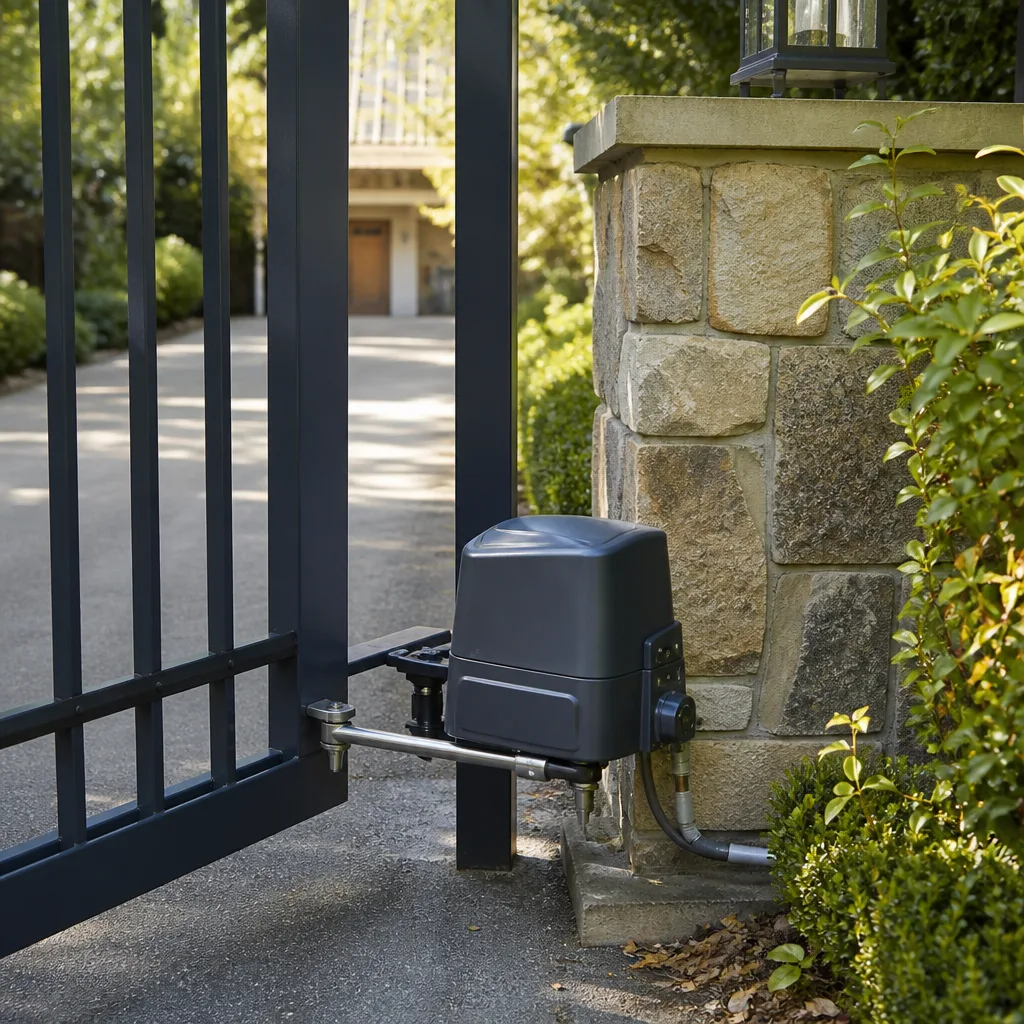 LiftMaster operators
Free on-site gate assessment - hinges, posts, and your LiftMaster or Nice gate operator checked before anything is quoted
The assessment is free and the quote is the invoice.
Get your free estimateHow to Hire a Gate Repair Contractor in Mira Mesa: A Step-by-Step Guide
Here’s something most Mira Mesa homeowners don’t realize until it costs them: California’s contractor licensing system tells you a contractor is legally allowed to work on your gate, but it tells you nothing about whether they can actually diagnose what’s wrong with it. A licensed fencing company, a licensed garage door company, and a licensed general handyman can all legally take your gate repair job. Only one of them has probably ever opened a FAAC control board. This guide walks through exactly how to find the contractor in Mira Mesa who can fix your gate correctly the first time, without paying for a wrong diagnosis or an unnecessary replacement. For professional help, see our Gate Repair services.
Quick Answer
To hire a gate repair contractor in Mira Mesa, verify their California contractor license (C-60 or D-28) on the CSLB website, then ask which gate brands their technicians are factory-trained on. A contractor who can’t name specific gate brands like LiftMaster, FAAC, BFT, or Linear is a generalist guessing at your problem. Get one thorough on-site diagnostic from a gate specialist rather than three phone estimates from generalists.
Styles & brands we work with
- Wrought iron
- Wood & steel frame
- Farm & ranch
- Sliding driveway gates
- LiftMaster operators
Table of Contents
- Licenses to Verify Before Anyone Touches Your Gate
- Five Questions That Separate Gate Specialists From Generalists
- Red Flags Specific to the San Diego Contractor Market
- How to Read a Gate Repair Quote Without Getting Burned
- Why Three Bids on Gate Repair Usually Backfires
- What a Proper Gate Diagnostic Should Include
- DIY vs. Professional Gate Repair: Where the Line Is
- Common Mistakes to Avoid
- When to Call a Professional
- Frequently Asked Questions
Licenses to Verify Before Anyone Touches Your Gate
California doesn’t have a license category that says “gate repair.” That’s the first thing to understand, because the absence of that category is exactly where bad hires start. A powered gate is part metal structure, part electrical system, part access control network. Depending on what’s failed, the work could legally fall under a C-60 (Ornamental Metal) contractor or a D-28 (Lock and Security Equipment) contractor. A C-60 handles the structural and mechanical side: hinges, posts, gate frames, swing arms, slide tracks. A D-28 covers the electrical and access side: operators, control boards, keypads, loop detectors, remote access integration.
Neither license guarantees the contractor has ever touched the brand installed on your driveway. That’s the uncomfortable truth. A fencing contractor with a C-60 can legally hang a 400-pound slide gate and wire the motor. But ask them to diagnose a BFT control board fault and you might get a blank stare followed by an upsell pitch for a full operator replacement. Gate Repair in Mira Mesa repeatedly handles jobs where a generalist contractor recommended replacing a $2,500 operator because they couldn’t identify a $180 control board issue.
Here’s what to do before anyone sets foot on your property:
- Go to the CSLB website (cslb.ca.gov) and search the contractor’s name or license number. Verify the license is active, check the classification, and note how long the license has been held.
- Confirm the license class matches the work. If the job is a failed motor, control board, or access system, you want a D-28. If it’s a bent gate arm, sagging hinge, or misaligned track, a C-60 makes sense. If the contractor holds both, even better.
- Check for the CSLB status yellow flags: suspended, revoked, expired, or bonded-out status all indicate problems that should end the conversation immediately.
- Ask for proof of workers’ comp insurance if the contractor has employees. A solo operator doesn’t need it, but anyone sending a crew does. Uninsured crews on your property become your liability.
- Look at the license history. A contractor who has held their license for ten years under one name is stable. One who has changed business names three times in five years is someone to avoid.
This license verification step takes five minutes and eliminates about a third of the contractors advertising gate work in San Diego before you’ve even scheduled a visit.
Five Questions That Separate Gate Specialists From Generalists
You can’t trust advertising. Every contractor’s website says they handle gate repair. You need questions that force a contractor to reveal their actual depth, because a generalist can’t fake specificity. Here are the five questions we recommend every Mira Mesa homeowner ask, in order.
Question 1: “Which gate brands are your technicians factory-trained on?”
A gate specialist answers immediately with brand names. LiftMaster. FAAC. BFT. Linear. Viking. DoorKing. They know these names because they carry parts for them and they’ve rebuilt their operators. A generalist hedges: “We work on all brands” or “It doesn’t matter what brand it is.” That second answer is the tell. It absolutely matters. A Ghost Controls residential operator and a FAAC commercial hydraulic operator share a power source and almost nothing else in terms of internals, troubleshooting procedures, or failure patterns.
Question 2: “Do you carry parts for my gate’s brand on your truck, or do you special-order everything?”
This question separates repair companies from installers. A company that carries common components for LiftMaster, Linear, Mighty Mule, and the other major brands can often complete a repair same day. A company that special-orders everything is either inexperienced with your system or planning to come back for a second visit, charge another trip fee, and hope you don’t mind the wait. In our experience across Mira Mesa, a technician who stocks control boards and limit switches carries inventory because they encounter enough of these failures to justify it.
Question 3: “Walk me through how you’d diagnose a gate that opens but won’t close.”
This is a scenario question, and it’s the most revealing one you can ask. A gate specialist starts with the safety system: photo eyes, edge sensors, loop detectors. They explain that a gate that opens but won’t close is usually a safety sensor issue, not a motor issue, and they describe how they’d test each component. A generalist starts guessing at the motor, or worse, tells you over the phone that you probably need a new operator. The correct diagnostic path is: safety sensors first, then control board, then limit switches, then motor. If the contractor doesn’t follow this logic, they don’t understand gate systems.
Question 4: “Can you service both residential and commercial operators?”
A surprising number of contractors in San Diego only do one or the other. Residential-only technicians are used to light swing gates and small slide operators. They run into trouble on a commercial BFT hydraulic system or a DoorKing barrier gate at a Mira Mesa business park. If you own a commercial property, this question is non-negotiable. A contractor who hesitates on commercial work is not the right call.
Question 5: “Do you stock or have access to the exact control board for my current system, or will you pitch me a full replacement?”
This is the anti-upsell question. A gate-specialist company with brand depth can replace a failed LiftMaster control board without insisting the whole operator needs to go. A generalist, or a company with narrow parts access, defaults to replacement because it’s the only fix they can confidently offer. The full replacement pitch is sometimes legitimate, but you should be suspicious if it’s the first recommendation before any diagnostics have happened.
Red Flags Specific to the San Diego Contractor Market
Every contractor market has its own failure patterns, and San Diego’s is no different. These are the red flags we see most often on jobs in Mira Mesa and the surrounding areas. Knowing them before you call saves you time and money.
- The phone estimate without an on-site diagnostic. A real gate diagnosis requires opening the operator, testing components with a multimeter, and checking the safety system. A contractor who quotes a price over the phone before seeing the gate is guessing, and their guess is usually either too low to be real or padded to cover whatever they find. In Mira Mesa, where gates range from entry-level Ghost Controls systems on residential driveways to commercial slide operators on business properties, the fail modes are too varied for a phone diagnosis.
- Vague invoices that bundle “labor and parts” without itemization. Legitimate gate repair quotes separate parts cost from labor. A quote that says “gate motor repair: $950” with no breakdown could mean anything. You should see the specific part, its cost, and the labor hours. If the contractor can’t or won’t itemize, they’re either hiding a markup or planning to swap parts and reprice you at the end.
- No physical address for the business. Some San Diego gate “companies” are actually solo operators working from unmarked vans with no shop, no inventory, and no way to warranty their work. A legitimate gate repair company has a commercial address where you could serve legal papers if something went wrong. Check the CSLB license record for the business address and cross-reference it with the address on the contractor’s estimate.
- Pressure about deposits. California law caps the down payment for home improvement work at 10% of the project total or $1,000, whichever is less. A gate repair contractor asking for 50% upfront is either violating state law or doesn’t know it. Neither is acceptable. Gate Installation in Mira Mesa follows standard California deposit practices on new installations, and so should any contractor you hire.
- The “we’re in your neighborhood” cold knock. This classic scam shows up in Mira Mesa periodically. A contractor knocks on your door saying they noticed your gate looks worn and they’re doing work in the area so they can give you a deal. Legitimate gate contractors in San Diego are booked out; they don’t need to canvas for work. If someone’s showing up unannounced offering to fix your gate, close the door.
How to Read a Gate Repair Quote Without Getting Burned
A legitimate gate repair quote looks a specific way. When you see the structure below, you’re dealing with someone who did the actual diagnostic work. When you don’t see it, you’re dealing with someone who guessed.
Here’s what a proper parts-and-labor breakdown should include:
- Itemized parts with brand names and part numbers. If the quote says “control board” without a brand or part number, ask why. A FAAC 452 MPS control board is a specific component with a specific price. “Control board” is a guess. The brand name and part number also let you verify the price independently.
- Separate labor hours with a rate. Gate repair labor in Mira Mesa typically runs $95 to $150 per hour depending on the contractor’s specialization. You should see the number of hours quoted and the rate, so you can verify the math.
- A diagnostic fee that’s waived or credited toward the repair. Many good gate contractors charge a diagnostic fee of $75 to $125, then credit it back toward the repair if you proceed. This filters out serious customers and pays the technician even when you decline the work. It’s fair, and it’s standard for the good shops.
- Specific language about the warranty on parts and labor. A quote should state what’s covered and for how long. Not vague language like “workmanship guaranteed.” Specifics: “90-day labor warranty, 1-year part manufacturer warranty.”
- A written commitment that the quoted price is the price. Some contractors quote low and then “discover” additional problems during the repair. A legitimate quote comes from a technician who has already opened the gate and seen the problem. The price on the quote should be the price, unless you’ve approved a change order.
The padded estimate looks different. It’s a single line item like “gate repair including all parts and labor: $1,400.” It doesn’t say what parts. It doesn’t say how many labor hours. It doesn’t identify your gate’s brand. It’s a generic number designed to cover whatever the contractor finds, plus a comfortable margin. If you receive a quote like this, in Mira Mesa or anywhere else, ask for the itemization before you approve anything.
Why Three Bids on Gate Repair Usually Backfires
Conventional homeowner wisdom says get three bids for any home service. That advice works for painting, flooring, and fence installation, where the work is visible and comparable. It falls apart on gate repair, and here’s why.
A gate failure is a diagnostic problem first and a repair second. Three contractors might give you three different diagnoses and three different prices, not because one is dishonest, but because each one has different depth of experience with your specific gate system. The contractor with LiftMaster and Linear training might identify a limit switch fault in fifteen minutes. The generalist who’s never opened a FAAC might tell you the motor’s burned out. The fence company might tell you the whole gate needs re-hanging. You now have three conflicting diagnoses and no way to judge which is correct, because the problem is invisible to you.
The better approach is one thorough diagnostic from a specialist. One technician with breadth across multiple gate brands opens your operator, tests the components, identifies the specific failure, and quotes the specific fix. That diagnosis is worth more than three estimates from generalists, because a correct diagnosis is the expensive part. The repair itself is usually straightforward once you know what’s actually failed.
Where comparison shopping does make sense is on gate installation, where the work is visible and the scope is clear. If you’re having a new gate hung on your Mira Mesa property, by all means get multiple written quotes for the same scope of work. But if your existing gate has stopped working, find the contractor with the deepest diagnostic depth and trust their finding. The cost of a wrong diagnosis far exceeds the cost of a single good one.
What a Proper Gate Diagnostic Should Include
When a gate repair technician arrives at your property, a proper diagnostic follows a structured path. You should expect to see these steps happen, roughly in this order. The order matters because it prevents expensive misdiagnosis.
Here’s the logical diagnostic sequence a trained gate technician works through:
- Safety system check first. Photo eyes, edge sensors, and loop detectors get tested before anything else. These components prevent the gate from crushing a car or a person, and they’re the most common reason a gate refuses to close or reverses mid-cycle. A technician who skips this step and goes straight to the motor is skipping the most likely culprit.
- Power verification. The technician checks the circuit breaker, the transformer, and the incoming voltage to the operator. Low voltage or a dead circuit can produce “motor failure” symptoms that are actually an electrical supply issue.
- Control board inspection. The board gets examined for burnt components, corrosion from Mira Mesa’s coastal moisture, and loose wiring connections. Control boards fail more often than motors on most gate systems.
- Limit switch and travel setting check. If the gate opens partway or overtravels, the limit switches or travel settings are usually the issue.
- Mechanical inspection. Hinges, rollers, tracks, and the gate frame get checked for binding, sagging, and wear. A mechanically binding gate will damage a healthy motor over time.
- Motor and capacitor testing. Only after all other systems check out does the technician test the motor itself. Motors are the most expensive component, so good technicians verify everything else first.
This sequence takes a trained technician 45 to 90 minutes on a typical residential gate. By the end, they should be able to tell you specifically what’s failed, what it costs to fix, and how urgent the repair is. If the technician’s on the phone with their parts supplier trying to identify your gate brand by sight, you’ve hired the wrong person. Electric Gate Repair in Mira Mesa technicians arrive with brand knowledge already in their heads, not discovered on-site.
DIY vs. Professional Gate Repair: Where the Line Is
Some gate maintenance is genuinely DIY-appropriate. Other repair work will hurt you. Knowing where that line is will save you both money and a hospital visit. Here’s the honest breakdown.
Safe DIY territory:
- Cleaning photo eye lenses with a dry cloth
- Tightening visible bolts and nuts on gate hinges
- Lubricating hinges and rollers with the manufacturer’s recommended lubricant
- Replacing batteries in wireless keypads and remote fobs
- Clearing leaves, dirt, and debris from the gate track
- Verifying the circuit breaker is on and the switch is getting power
Professional territory, no exceptions:
- Any work involving the gate motor’s internal components
- Control board replacement or wiring work
- Spring tension adjustments on counterbalance systems
- Gate frame alignment or post replacement
- Any repair on a commercial operator or barrier gate
- Installation or replacement of safety sensors, loop detectors, or photo eyes
The line in the middle is around anything carrying line voltage or anything under mechanical tension. A residential gate operator typically runs on 110V AC, and the internals include capacitors that can hold a charge after the power’s off. If you don’t know how to discharge a capacitor safely, you shouldn’t open the operator housing. That’s not gatekeeping; it’s the same reason you don’t open your electrical panel and start moving breakers around. The risk-to-reward ratio on DIY electrical gate work is bad.
Common Mistakes to Avoid
- Hiring the first contractor whose ad appears on Google. Ad position is a marketing budget indicator, not a quality signal. The top ad slot goes to whoever pays the most per click, not whoever diagnoses gates best. In the San Diego market, some of the most aggressive gate repair advertisers are lead-generation companies that subcontract your job to whoever’s available.
- Accepting a replacement pitch without a diagnostic. When a contractor’s first recommendation is replacing your $3,000 operator before they’ve tested a single component, they’re either inexperienced or looking for a bigger invoice. Ask what specifically failed and what the component-level repair would cost. A real specialist can answer both questions.
- Using the cheapest quote as your selection criteria. Gate repair pricing is driven by parts cost, which is fairly fixed, and labor, which varies modestly. A quote that’s dramatically lower than others means the contractor either hasn’t diagnosed the problem correctly or is planning to “find” more problems during the job.
- Skipping the CSLB license check. Five minutes on the CSLB website would eliminate a meaningful percentage of the gate repair contractors advertising in San Diego. It’s the best free insurance policy a homeowner has against contractor fraud.
- Ignoring access and safety system issues because “the gate still opens.” A gate that opens but won’t close, or closes with too much force, or buzzes when it operates, is telling you something. Ignoring these warnings leads to a full failure later, usually at the worst possible time. In a Mira Mesa home where the gate is the primary security barrier, a gate that fails closed is an inconvenience; a gate that fails open is a genuine security problem.
- Hiring a garage door company to fix a gate. Garage doors and gates share a basic mechanism concept, but the components are different, the safety systems are different, and the control logic is different. A garage door tech who occasionally does gates won’t have the brand-specific training on FAAC, BFT, or LiftMaster gate operators. They’ll figure it out on your time and your dime.
- Not asking about warranty coverage before the work starts. What happens if the repair fails in three weeks? Is the labor still covered? The parts? The diagnostic fee? These questions are awkward to ask, but they’re much more awkward to ask after the gate has stopped working again.
When to Call a Professional
Some gate failures are unambiguous calls for a professional. If your gate has stopped working entirely, won’t stay closed, makes grinding or shrieking noises during operation, or reverses direction mid-cycle, stop using it and call someone who can diagnose it properly. If the safety sensors are misaligned or the gate closes with excessive force, that’s an urgent repair, not a maintenance item. A gate that crushes a car or injures a pedestrian is a liability you don’t want on your property. If you’re in Mira Mesa or the surrounding area, Gate Repair Mira Mesa offers free estimates and same-day diagnostics. Call (833) 593-4660 and describe what your gate is doing, or not doing, and a technician can walk you through the likely causes before they arrive.
Frequently Asked Questions
Gate repair in Mira Mesa typically costs $180 to $450 for common repairs like limit switch replacement, photo eye realignment, and control board work, with labor charged separately at $95 to $150 per hour. A full operator replacement runs $1,200 to $3,500 or more depending on the brand and whether it’s residential or commercial grade. Call (833) 593-4660 for a free estimate on your specific gate and failure.
In California, gate repair work falls under either a C-60 (Ornamental Metal) license for structural and mechanical work or a D-28 (Lock and Security Equipment) license for electrical and access systems, and many gate specialists hold both. Verify the license on the CSLB website before scheduling any work. A valid license confirms legal authorization, but brand-specific training is a separate question you should verify independently.
Most gate repair companies in Mira Mesa offer same-day or next-day service for urgent failures, especially when a gate is stuck open or closed and your property is unsecured. Call (833) 593-4660 to check current availability and get a free estimate. Describe the failure, and the dispatcher can often tell you what’s likely wrong before a technician arrives.
A gate repair specialist works on powered gate systems exclusively, carries brand-specific parts for systems like LiftMaster, FAAC, BFT, and Linear, and can diagnose electrical and control board failures without replacing whole operators. A general handyman handles many trades but rarely has the brand-specific training or parts inventory to properly diagnose a powered gate failure. The diagnostic depth difference shows up in the repair bill and the reliability of the fix.
A gate specialist company should handle gate installation in Mira Mesa alongside repair, because the two services are complementary sides of the same expertise. Installation includes measuring the opening, ordering the correct gate and operator for the weight and usage, setting posts, hanging the gate, wiring the operator, and programming safety and access systems. A repair-only company lacks the installation side of the gate lifecycle, which means their technicians have never seen the full picture of how a proper installation affects long-term reliability.
A gate that opens but won’t close is usually a safety system issue: a misaligned photo eye, a blocked edge sensor, or a loop detector that thinks a vehicle is still in the gate’s path. The safety system is designed to prevent the gate from closing on an obstruction, and a false obstruction signal will keep the gate from closing. Call (833) 593-4660 and a technician can diagnose which safety component is triggering the issue.
Residential gate operators in the San Diego area typically last 8 to 15 years depending on brand quality, installation quality, and usage frequency, with coastal moisture accelerating corrosion on metal enclosures and circuit boards. Mira Mesa’s inland position means less salt exposure than beach-adjacent communities, but the inland heat and fine dust still take a toll on motors and limit switches over time. Scheduled maintenance extends operator life by catching wear before it damages other components.
The Bottom Line
Hiring a gate repair contractor in Mira Mesa comes down to one decision: do you want a specialist with brand-specific training who can diagnose your gate’s actual failure, or a generalist who will guess, replace, and invoice? The licensing system gives you a starting point. The five questions give you a filter. The bid strategy gives you a framework. None of it is complicated, but most homeowners skip the diagnostic questions and pay for the skip later. Find a contractor who names brands, itemizes quotes, and diagnoses before pitching replacements. Your gate is a security system, a convenience, and a property asset. Treat it like one by hiring accordingly.
Written by the team at Gate Repair Mira Mesa, serving Mira Mesa since 2017. Explore more guides & resources on our blog.
See the difference
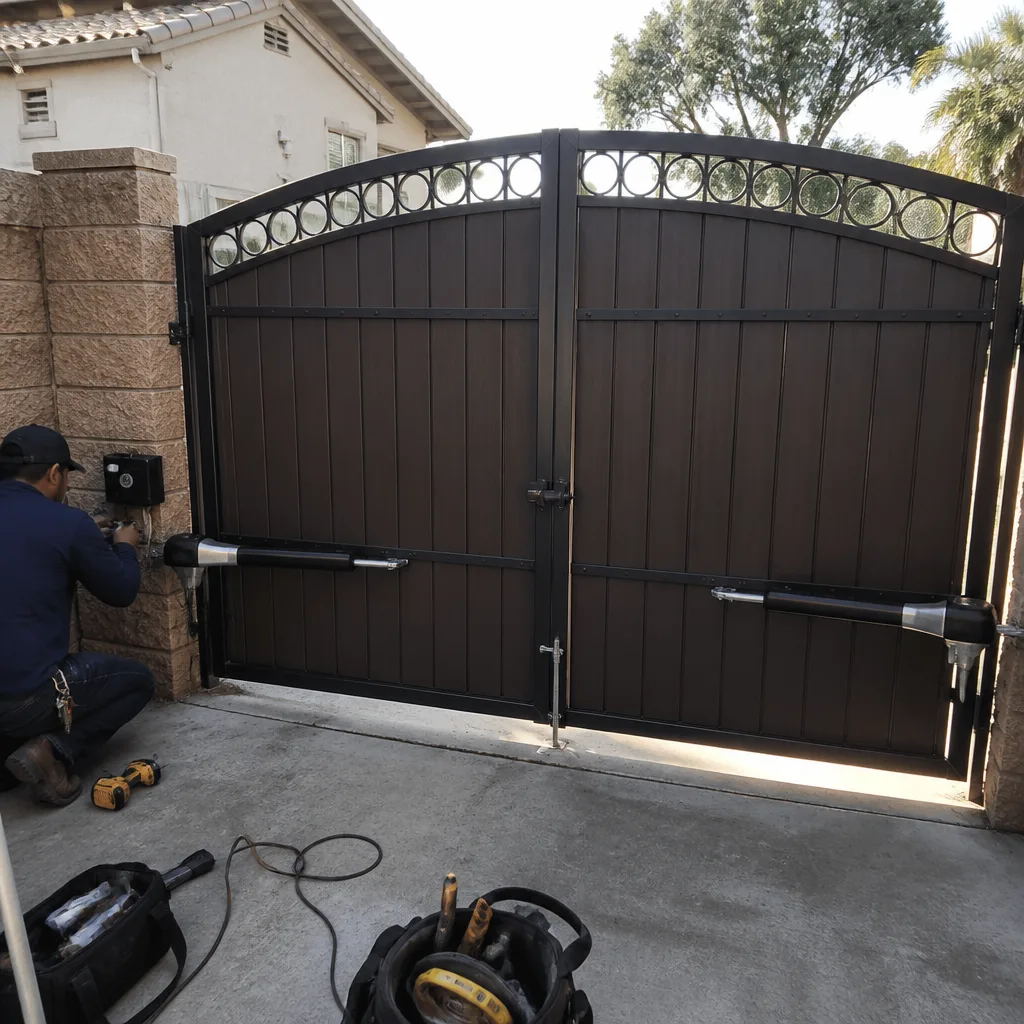
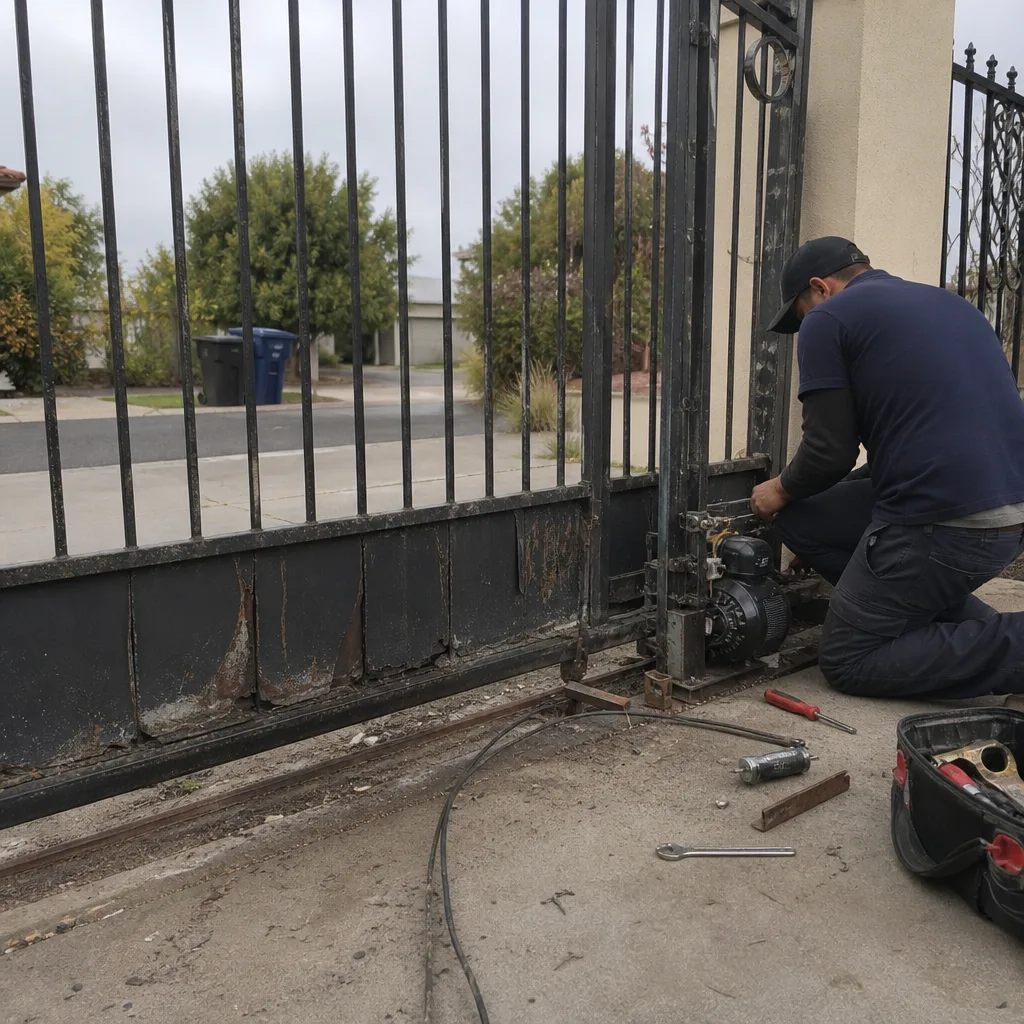 Before
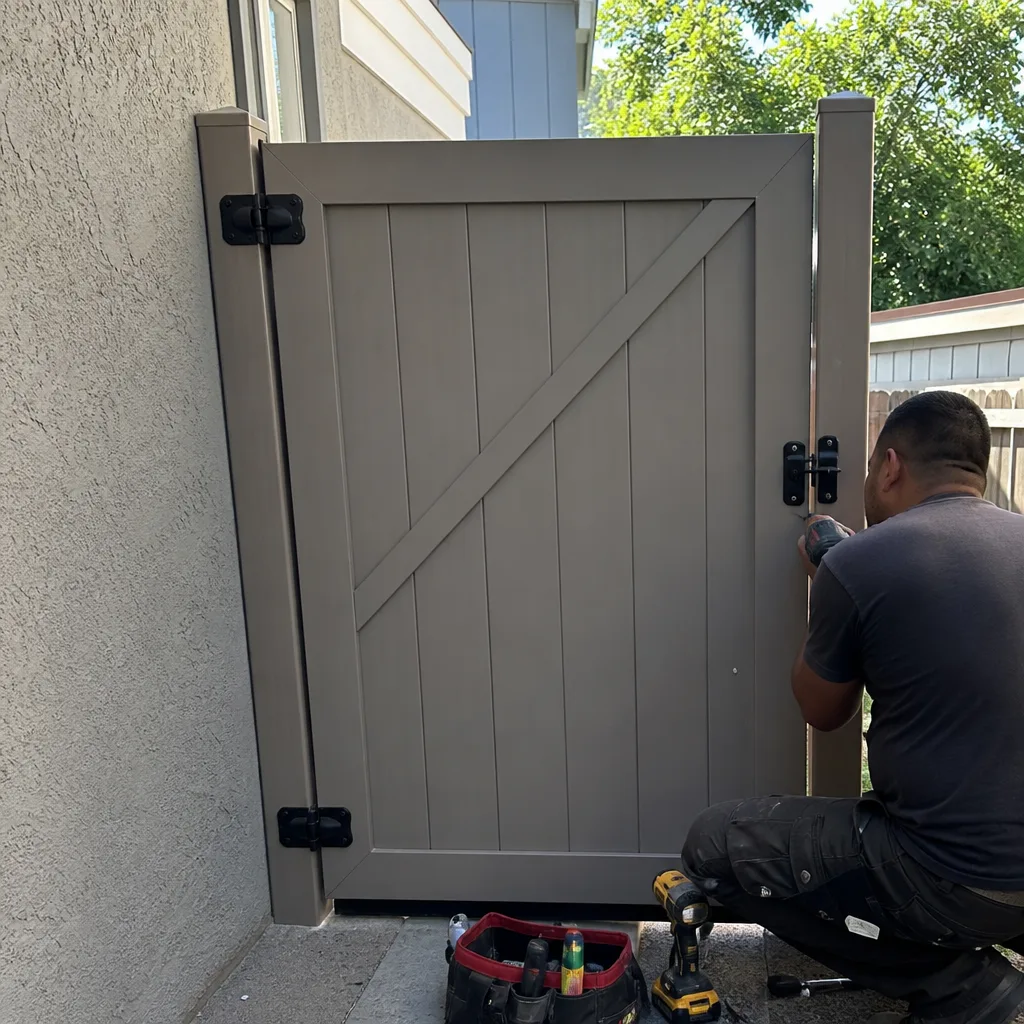 After
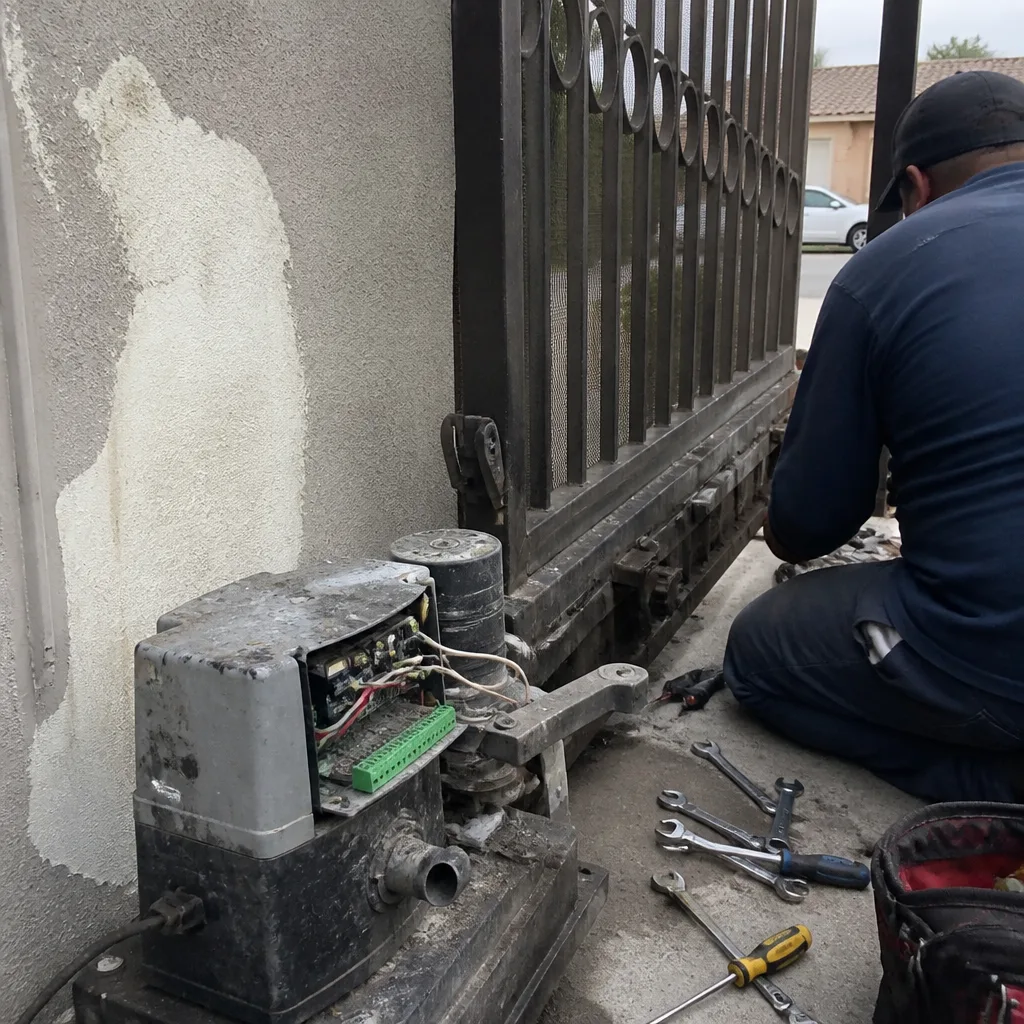
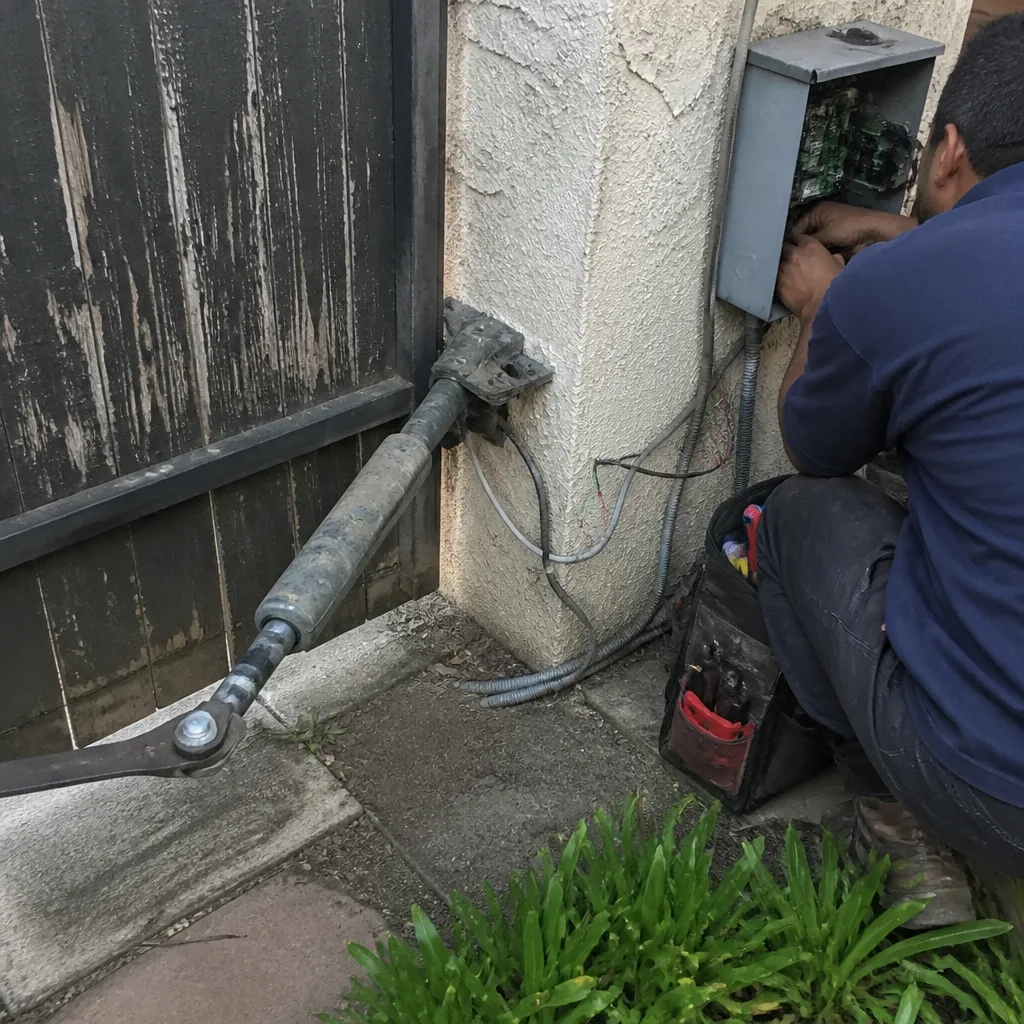 Before
 After
 Before
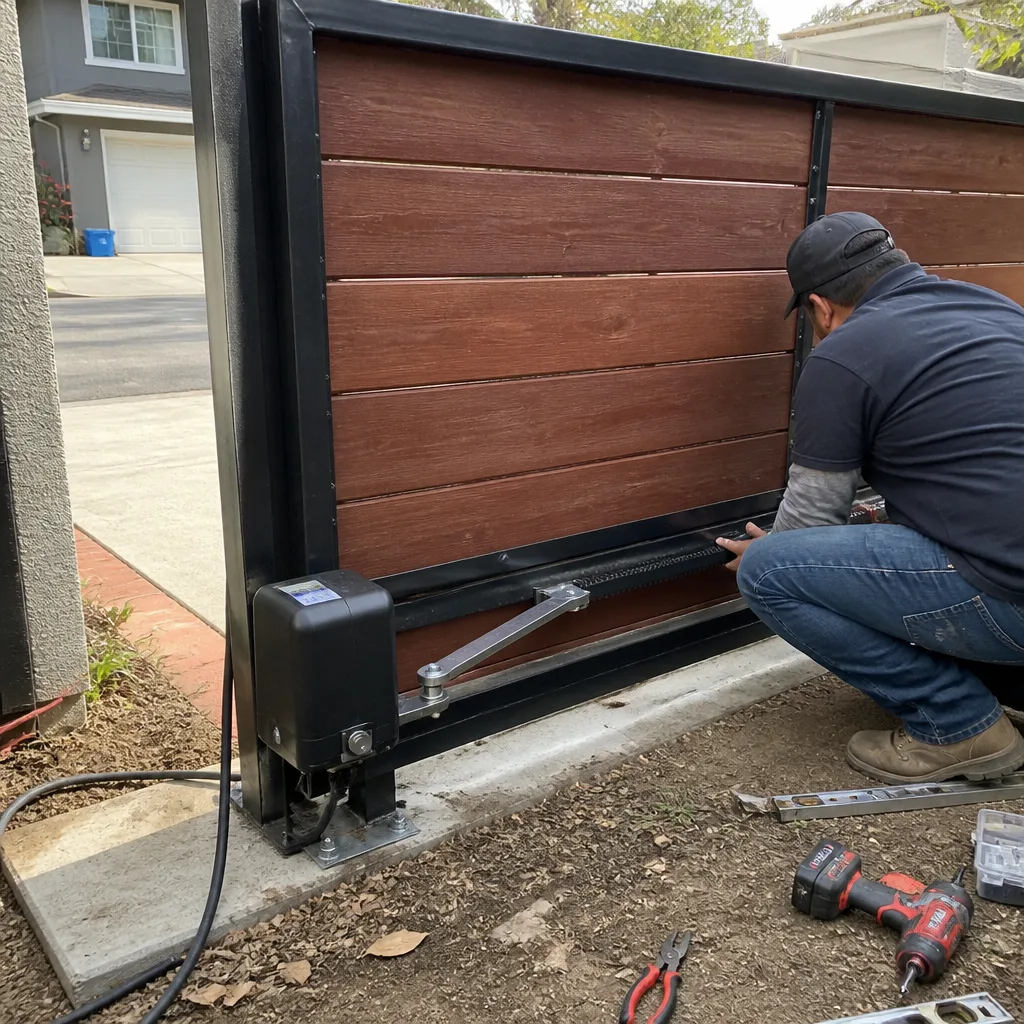 After