
Last updated November 2, 2026
 Wrought iron
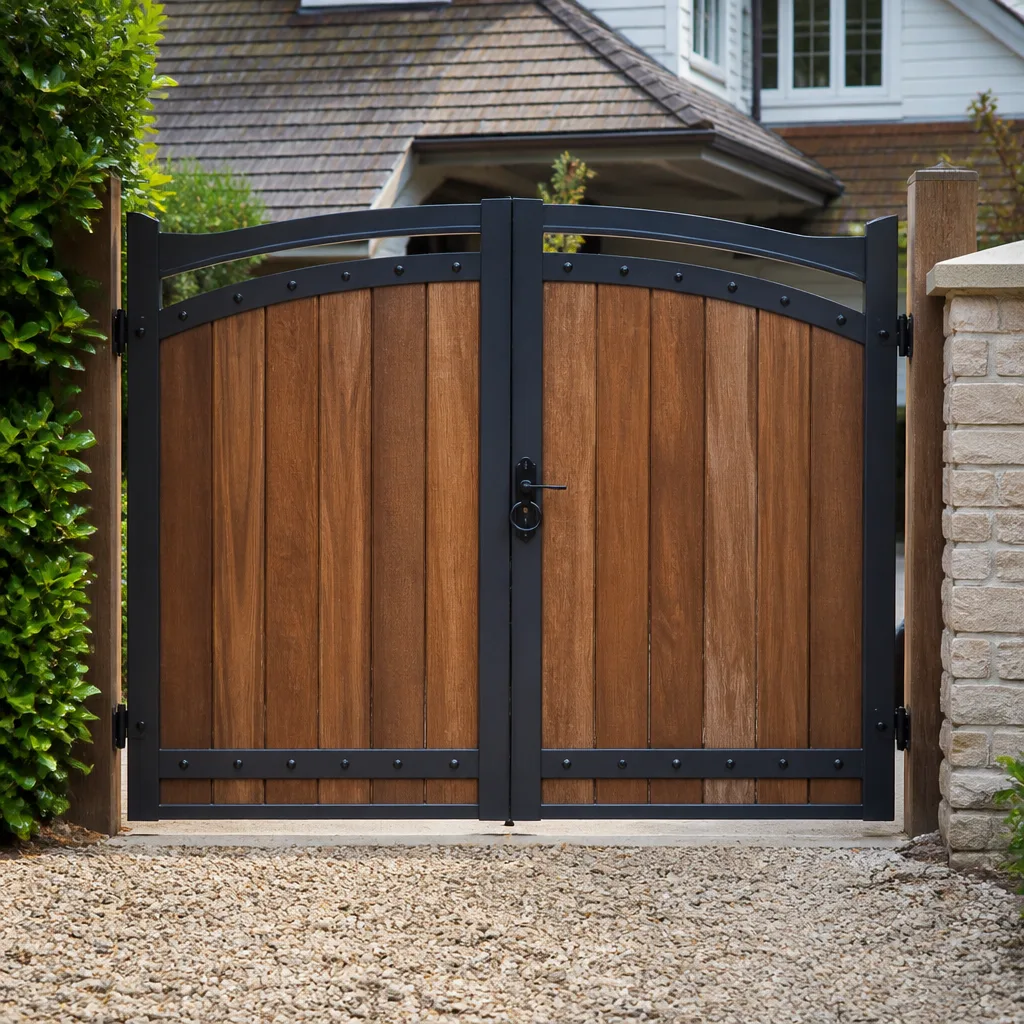 Wood & steel frame
 Farm & ranch
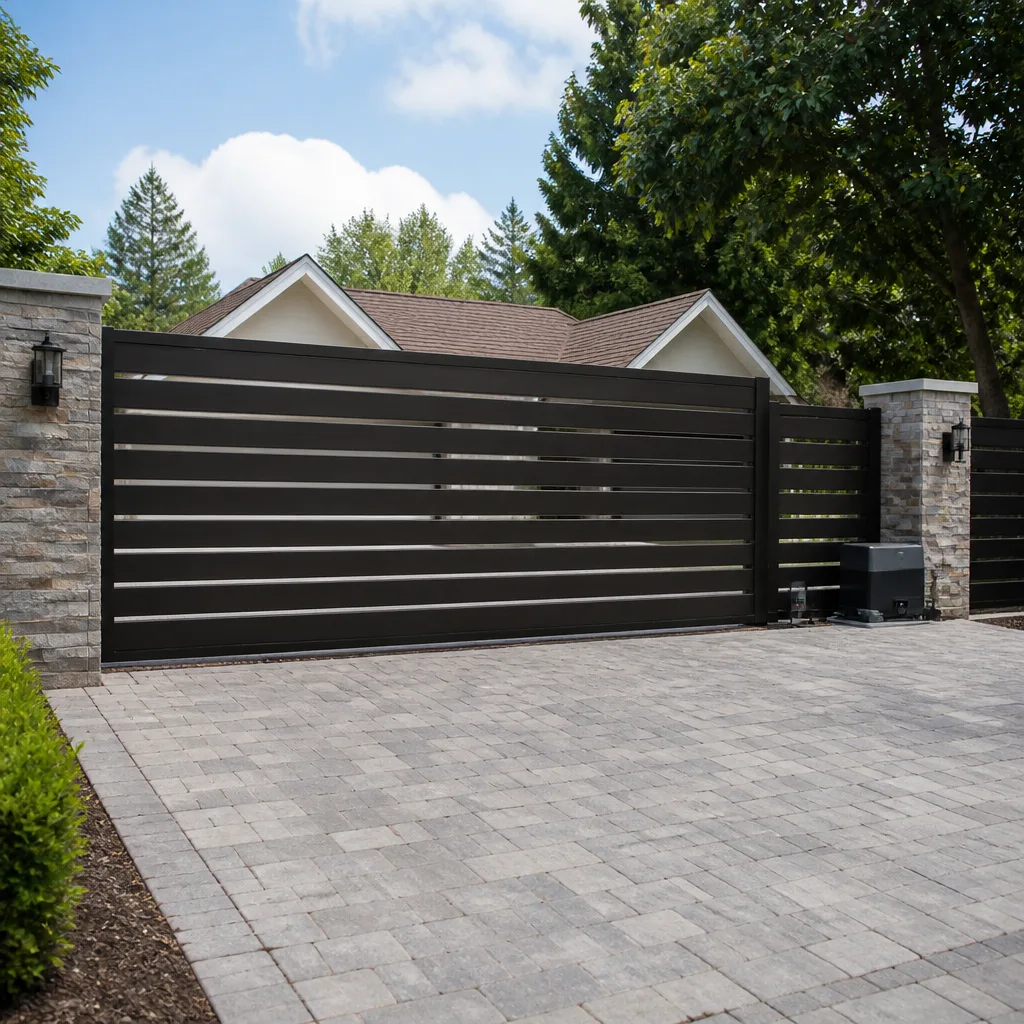 Sliding driveway gates
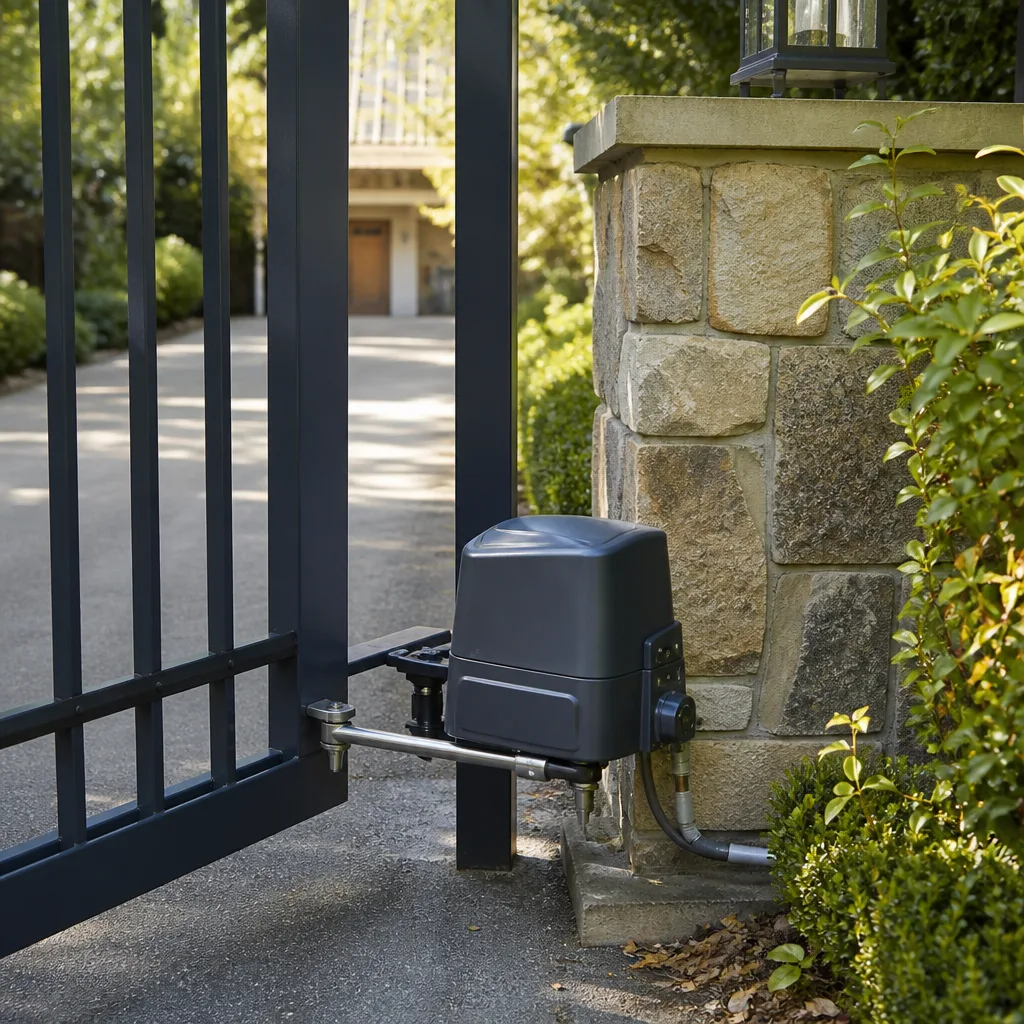 LiftMaster operators
Free on-site gate assessment - hinges, posts, and your LiftMaster or Nice gate operator checked before anything is quoted
The assessment is free and the quote is the invoice.
Get your free estimateGate Repair Permits, Codes & Inspections in CA: What You Need to Know
Here’s a fact most homeowners in Mira Mesa don’t realize: replacing a failed gate motor with the identical model in the same location usually needs no permit at all in San Diego County. But add a new keypad to that same gate, run new conduit for an intercom, or upgrade an older operator to current safety standards, and you’ve crossed into territory where permits, inspections, and code compliance suddenly matter. This guide – along with our Gate Repair Troubleshooting: Common Problems and How to Fix Them – walks you through exactly where those lines are drawn, what UL 325 requires, how HOAs in Mira Mesa add their own rules on top of city code, and what happens to an insurance claim when unpermitted gate work fails.
Quick Answer
Gate repair in California typically does not require a permit when you are replacing a failed component with an identical or functionally equivalent part, such as swapping a LiftMaster motor for the same model. Gate installation, new operator installs, access control additions, and electrical work beyond a simple like-for-like swap often do require permits through the City of San Diego, and any new or replaced operator must meet UL 325 entrapment protection standards. If the work involves running new electrical circuits, adding vehicle detection loops, or changing how the gate operates, assume a permit is required until a licensed contractor confirms otherwise.
Styles & brands we work with
- Wrought iron
- Wood & steel frame
- Farm & ranch
- Sliding driveway gates
- LiftMaster operators
Table of Contents
- When a Gate Repair Permit Is Required in San Diego
- When No Permit Is Needed: The Like-for-Like Rule
- UL 325 Entrapment Protection: What the Code Actually Says
- Electrical Thresholds: What Triggers an Electrical Permit
- HOA Rules in Mira Mesa: The Second Layer of Approval
- Insurance Consequences of Unpermitted Gate Work
- How a Licensed Gate Contractor Handles Permits vs. a Handyman
- Permit History at Resale: What Buyers and Sellers Need to Know
When a Gate Repair Permit Is Required in San Diego
The City of San Diego and San Diego County draw permit lines around gate work using three main triggers: installation of a new operator, electrical work that goes beyond a simple component swap, and any modification to how the gate’s safety systems function. The most common scenario we see in Mira Mesa is a homeowner replacing an old mechanical swing gate with an automated system. That’s a permit job. It involves a new operator, new electrical wiring to the gate location, and new safety devices like photo eyes and edge sensors. The city treats that as a new installation, not a repair, even if the gate posts and frame stay in place.
A second common trigger is adding access control to a gate that previously had none. A keypad, a telephone entry system, or a card reader changes the gate from a simple remote-controlled device to an access control system, which falls under a different section of the California Building Code and San Diego’s municipal code. The third trigger is any repair that involves replacing a motor with a different model that has different electrical requirements. If the amp draw changes, or the wiring configuration changes, the city views that as a modification rather than a repair, and an electrical permit comes into play.
Here’s the numbered breakdown of what typically requires a permit in San Diego:
- New automated gate installation on a driveway, pedestrian entrance, or commercial lot where no automated operator existed before.
- Replacing an operator with a different model that requires changes to the electrical circuit, mounting configuration, or safety device layout.
- Adding access control devices such as keypads, intercoms, card readers, vehicle loop detectors, or telephone entry systems to an existing gate.
- Installing a new electrical circuit to power a gate operator, or upgrading an existing circuit to handle higher amperage.
- Relocating a gate or changing its swing direction, which alters how entrapment protection devices must be positioned and wired.
- Commercial slide gate repairs that involve replacing safety devices or modifying the operator on any gate serving a business, HOA, or multi-tenant property.
In Mira Mesa specifically, the neighborhood’s mix of single-family homes with driveway gates, HOA communities with shared entry gates, and commercial properties along Mira Mesa Boulevard means we see all three trigger categories regularly. The single biggest source of confusion we encounter is the difference between gate repair and gate modification, so that’s the next section.
When No Permit Is Needed: The Like-for-Like Rule
The California Building Code and San Diego’s municipal code both recognize what contractors call the “like-for-like” repair rule. If a component fails and you replace it with an identical or functionally equivalent component, without changing the electrical characteristics, the safety system, or the gate’s operation, no permit is required. This covers most of what homeowners in Mira Mesa actually call us for in a typical year.
Here’s what falls under the no-permit umbrella in most cases:
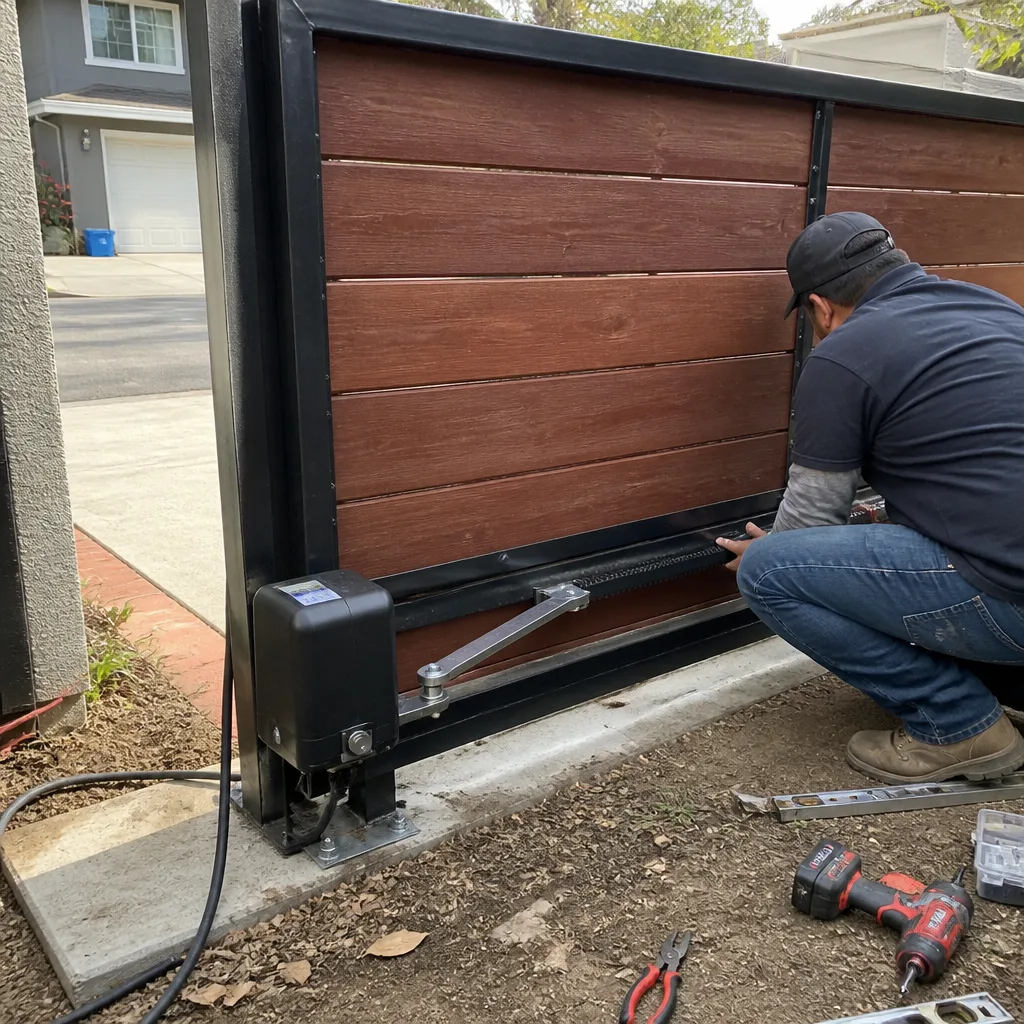
- Failed gate motor replacement with the same model. A dead LiftMaster LA400 replaced by another LA400, mounted in the same position, wired to the same circuit, with the same safety devices, needs no permit.
- Control board replacement. A failed DoorKing 9150 board swapped for the same board, same revision, same wiring harness, is a repair.
- Remote control, receiver, and transmitter replacement. If the frequency band and programming match, no permit applies.
- Bent or broken mechanical arms, hinges, and bracket repairs. Welding a cracked hinge or replacing a bent arm on a Mighty Mule opener doesn’t trigger any permit requirement, provided the gate’s operation and safety devices are unchanged.
- Safety sensor replacement with an identical unit. If a photo eye fails and you replace it with the same model in the same location, that’s a repair that stays within the existing approval.
- Battery backup replacement. Swapping a failed battery in an operator’s backup system, same voltage and capacity, needs no permit.
The line gets crossed when what you install isn’t equivalent. Different motor horsepower? Different electrical requirements? Different mounting? Different safety device count or placement? That’s a modification. The city’s position is simple: a repair restores what was there, a modification changes it. We apply that test to every job we quote in Mira Mesa, and we recommend homeowners apply it to any estimate they receive from another contractor. If the proposed work changes the operator model, adds wiring, adds access devices, or alters safety equipment, the quote should include permit line items. If it doesn’t, ask why.
UL 325 Entrapment Protection: What the Code Actually Says
UL 325 is the national safety standard for automatic gate operators, and California adopted it wholesale into the California Building Code. The standard was overhauled after a series of entrapment deaths in the 1990s and early 2000s, and the current version has been in force since 2016 with periodic revisions. Any new gate operator installed in San Diego County, whether on a residential driveway or a commercial lot, must include entrapment protection devices that are UL 325 compliant. What many homeowners don’t know is that this requirement also applies when a repaired gate’s existing safety system is found to be non-compliant.
If we open up an older gate in Mira Mesa and find that it lacks the required safety devices, or the devices present are non-functional, we’re required by code to flag it and recommend bringing the system up to standard. For a repair that stays within the like-for-like rules, that sometimes means adding a secondary entrapment protection device, which is a permit-triggering modification.
UL 325’s core requirements for entrapment protection break down like this:
- Primary entrapment protection: either an inherent entrapment sensing system built into the operator, or an external device such as photo eyes or an edge sensor. Most modern residential operators use either two photo eyes or a combination of photo eye and edge sensor.
- Secondary entrapment protection: required on all automated gates, provided by a second independent sensing method, usually photo eyes paired with a reversing mechanism in the motor.
- Contact sensors on gates that can trap a person against a wall or post: swing gates that open toward a fixed wall, or slide gates that run past a solid fence, need edge sensors on the leading and trailing edges.
- Warning signage: every automated gate must display a visible warning sign, which is part of the UL 325 listing requirements.
- Monitored safety devices: on commercial gates, safety devices must be wired as monitored, meaning the operator checks their circuit continuity continuously and shuts down or reverses if a device fails or disconnects.
For homeowners in Mira Mesa with an older Elite or Mighty Mule swing gate, the most common UL 325 gap we find is a missing or non-functional secondary entrapment device. Gaps like that don’t just create code liability; they’re also the exact kind of issue an insurance adjuster looks for after an injury incident. This is why we treat every gate repair call in Mira Mesa as an opportunity to check the safety system, not just fix the stated problem. Electric gate repair done correctly includes a safety system check on every visit, and we recommend homeowners ask for that explicitly.
Electrical Thresholds: What Triggers an Electrical Permit
When gate work in San Diego crosses from mechanical swap into electrical modification, the city’s electrical permit requirements come into play. The trigger points are specific. Running a new branch circuit from a subpanel to a gate operator location requires a permit and an inspection. Upgrading a circuit from 15 amps to 20 amps to support a larger commercial operator requires a permit. Extending conduit from an outlet to a new gate position requires a permit. The city’s standard is straightforward: any new electrical installation, modification of an existing circuit, or addition of a circuit requires a permit and a rough-in inspection before walls are closed or trenches are backfilled.
In Mira Mesa, where homes range from 1970s single-story ranchers to newer builds in the 92126 zip code, we regularly encounter older properties with sunken or undersized electrical service to the gate area. A homeowner replacing a simple residential swing gate operator with a heavier slide gate, or adding a commercial-grade DoorKing unit to a large property, often discovers that the existing circuit can’t handle the new load. That’s a permit-level electrical job, not just a hardware swap.
Here’s the step-by-step process when an electrical permit is required for gate work in San Diego:
- Contractor pulls the permit through the City of San Diego Development Services Department, either online or in person, before any trenching or wiring begins.
- Rough-in inspection is scheduled after the conduit, wiring, and junction boxes are installed but before trenches are covered or stucco is patched. The inspector verifies wire gauge, conduit depth, and grounding.
- Final inspection is scheduled after the operator, safety devices, and access control components are installed and tested. The inspector confirms UL 325 compliance and verifies the electrical installation matches the approved plans.
- Permit signed off becomes part of the property’s permit history, which matters when the home is sold.
For homeowners in Mira Mesa wondering whether their specific gate project needs an electrical permit, the deciding factors are: (1) is a new circuit being added? (2) is an existing circuit being changed? (3) is wiring being extended? If the answer to any of those is yes, the work is electrical in the city’s eyes. If the answer to all three is no, it’s a component swap and likely stays permit-exempt.
HOA Rules in Mira Mesa: The Second Layer of Approval
Mira Mesa has one of the highest concentrations of HOA-governed communities in San Diego, as covered in our Gate Repair Warning Signs: A Mira Mesa Homeowner’s Reference Guide. Neighborhoods like Weston Hills, Sundance, and the communities east of Camino Ruiz all operate under CC&Rs that often go beyond city code when it comes to gates. The city’s permit process cares about safety, electrical compliance, and structural integrity. HOAs usually care about aesthetics, uniformity, and operational rules that protect shared infrastructure. Both matter, and ignoring either one creates different but equally real problems.
Common HOA gate restrictions we’ve encountered in Mira Mesa communities include:
- Operator brand and model restrictions: some HOAs specify approved operator brands for consistency across the community. A homeowner who replaces a failed unit with a different brand without approval can be required to remove it.
- Gate style and material requirements: wrought iron, specific paint colors, maximum heights, and even specific finial designs are sometimes mandated.
- Access control integration requirements: communities with shared entry gates often require that any new gate installation integrate with the existing access control system, whether that’s a specific intercom brand or a community-wide keycard system.
- Operational timing rules: some HOAs restrict gate operation hours or require specific safety signage beyond UL 325 minimums.
- Approval process: many Mira Mesa HOAs require an architectural review application before any gate work begins, even for repairs that don’t require a city permit. This approval is separate from and additional to the city process.
- Permit filing: a licensed gate contractor files the permit under their own license number, which creates a record of who did the work and who’s responsible for it. A handyman either can’t pull the permit or asks the homeowner to pull it as an owner-builder, which shifts liability to the homeowner.
- Plan review: the city often wants a site plan showing gate position, swing direction, and safety device locations. We prepare these as part of the permit package. A handyman typically doesn’t produce plans at all, which means the permit application stalls or gets rejected.
- Inspection readiness: we know what the San Diego inspector checks: conduit depth, wire gauge, grounding, UL 325 device placement, warning signage. Handymen usually don’t, which means failed inspections, rework, and additional fees.
- Warranty and accountability: a licensed contractor’s work carries a warranty that is enforceable through the Contractors State License Board. Handyman work carries no such backing.
- Unpermitted gate work must be disclosed. Failure to disclose is fraud, and California courts have consistently sided with buyers in nondisclosure lawsuits.
- Buyers can demand retroactive permitting. If a buyer discovers an unpermitted gate, they can make the sale contingent on the seller pulling permits and passing inspections, which sometimes means bringing the gate up to current UL 325 and electrical code at the seller’s expense.
- Retroactive permits cost more than initial permits. The city charges penalties for unpermitted work, and the inspection can be more stringent. What would have been a $400 permit at installation can become several thousand dollars in fees and remediation at resale.
- Buyers are getting savvier. In San Diego’s market, buyer’s agents routinely check permit records for gate installations, pool equipment, and any visible recent electrical work. A gate without a permit is a red flag, not a minor footnote.
We recommend homeowners in Mira Mesa check their HOA’s CC&Rs and architectural guidelines before scheduling gate work, even for what feels like a simple repair. A like-for-like operator replacement that needs no city permit might still need HOA sign-off if the community has imposed brand or appearance standards. The approval process can take anywhere from a week to a month in some communities, so factor that into scheduling. For gate installation in Mira Mesa, we always ask about HOA status during the quoting process, because it changes the timeline and sometimes the hardware selection.
Insurance Consequences of Unpermitted Gate Work
Here’s the scenario we see most often in the worst cases: a homeowner hires a handyman to install an automated driveway gate in Mira Mesa. No permit, no inspection, no UL 325 documentation. A year later, a delivery driver gets hit by the gate, or a child is injured, or a vehicle is damaged. The homeowner files a claim. The insurance company sends an adjuster, who discovers the gate installation was never permitted. The claim is denied or reduced, and the homeowner is left holding the cost of the injury or damage personally.
California insurance policies generally exclude coverage for damage or injury arising from unpermitted work when the unpermitted work contributed to the incident. That’s not a gate-specific rule; it applies to any structural or electrical work performed without proper permits. But gates are uniquely risky in this context because they combine moving mechanical force, electrical systems, and public or semi-public access. A gate that closes on a vehicle or a person is a liability event, and the absence of a permit gives the insurance company a clear reason to deny coverage.
Even when no injury occurs, unpermitted gate work creates a coverage gap. If a fire starts at the gate operator’s electrical connection and damages the home, an insurance adjuster who finds non-permitted wiring will frequently deny the structural portion of the claim. The lesson for Mira Mesa homeowners is simple: the cost of a permit and inspection is small compared to the financial exposure of a denied claim. We bring this up with every new installation we quote, not to scare anyone, but because it’s the detail most other contractors skip.
How a Licensed Gate Contractor Handles Permits vs. a Handyman
The permit process in San Diego is not complicated, but it does require knowing what the city needs, which forms to file, what the inspector looks for, and how to schedule inspections efficiently. A licensed contractor does this routinely. A handyman typically doesn’t do it at all, either because they don’t carry the right license classification or because they simply don’t include it in their scope. The practical difference shows up in three places: the quality of the permit application, the likelihood of passing inspection the first time, and the existence of a paper trail that protects the homeowner.
Here’s the comparison in specific terms:
For commercial gates in Mira Mesa, the gap is even wider. Commercial operators from brands like DoorKing, Elite, and LiftMaster often require permits not just for installation but for any modification to safety systems or access control. A handyman who replaces a commercial operator without a permit creates liability for the property owner that can surface during a code compliance inspection, an insurance review, or a lawsuit. We cover the full gate repair process from permit through final inspection, so the property owner has documentation showing the work was done correctly.
Permit History at Resale: What Buyers and Sellers Need to Know
When a home in Mira Mesa goes up for sale, the seller is required to disclose any work done on the property that required a permit, and buyers are increasingly checking permit records before closing. An automated gate that was installed without a permit becomes a disclosure problem, a negotiation point, and sometimes a deal-breaker. The San Diego County Recorder’s office and the City of San Diego’s Development Services Department both maintain searchable permit databases that buyers, agents, and title companies can access.
Here’s what sellers should know:
For homeowners in Mira Mesa who have already had unpermitted gate work done, the path forward is a retroactive permit. It’s not free, but it converts a liability into a documented, inspected installation. We’ve helped homeowners work through that process, and it’s almost always less expensive and less stressful than handling a denied insurance claim or a failed escrow. If you’re unsure whether your existing gate has a permit history, the City of San Diego’s online permit lookup is the place to start, and a licensed gate contractor can help you interpret what you find.
Common Mistakes to Avoid
- Assuming all gate repairs need a permit. Like-for-like operator replacements, control board swaps, and remote replacements usually don’t need one. Over-permitting wastes money; under-permitting creates liability. Know the line.
- Assuming no gate repairs ever need a permit. The opposite error is worse. New operator installs, access control additions, new circuits, and safety system upgrades all require permits in San Diego.
- Skipping the HOA check in Mira Mesa communities. Even when the city requires no permit, many HOA-governed neighborhoods around Mira Mesa Boulevard require architectural review before gate work proceeds. Skipping it can mean tearing out a new installation.
- Hiring a handyman for a permit-required gate installation. Handymen can’t pull permits under their own license, which shifts the homeowner into owner-builder status and personal liability.
- Replacing a gate operator without checking UL 325 compliance on the existing safety system. A new operator with old, non-compliant safety devices fails inspection and, worse, creates a real entrapment risk.
- Not keeping permit records after the work is done. The signed permit is a document you’ll need at resale and in any insurance conversation. Store it with your home’s other permanent records.
- Treating a commercial gate like a residential gate. Commercial gates in Mira Mesa fall under different code sections, stricter UL 325 monitored-device requirements, and often more onerous HOA or property management rules. The permit and inspection process is different, and attempting a residential-style repair on a commercial gate creates compliance exposure.
See the difference
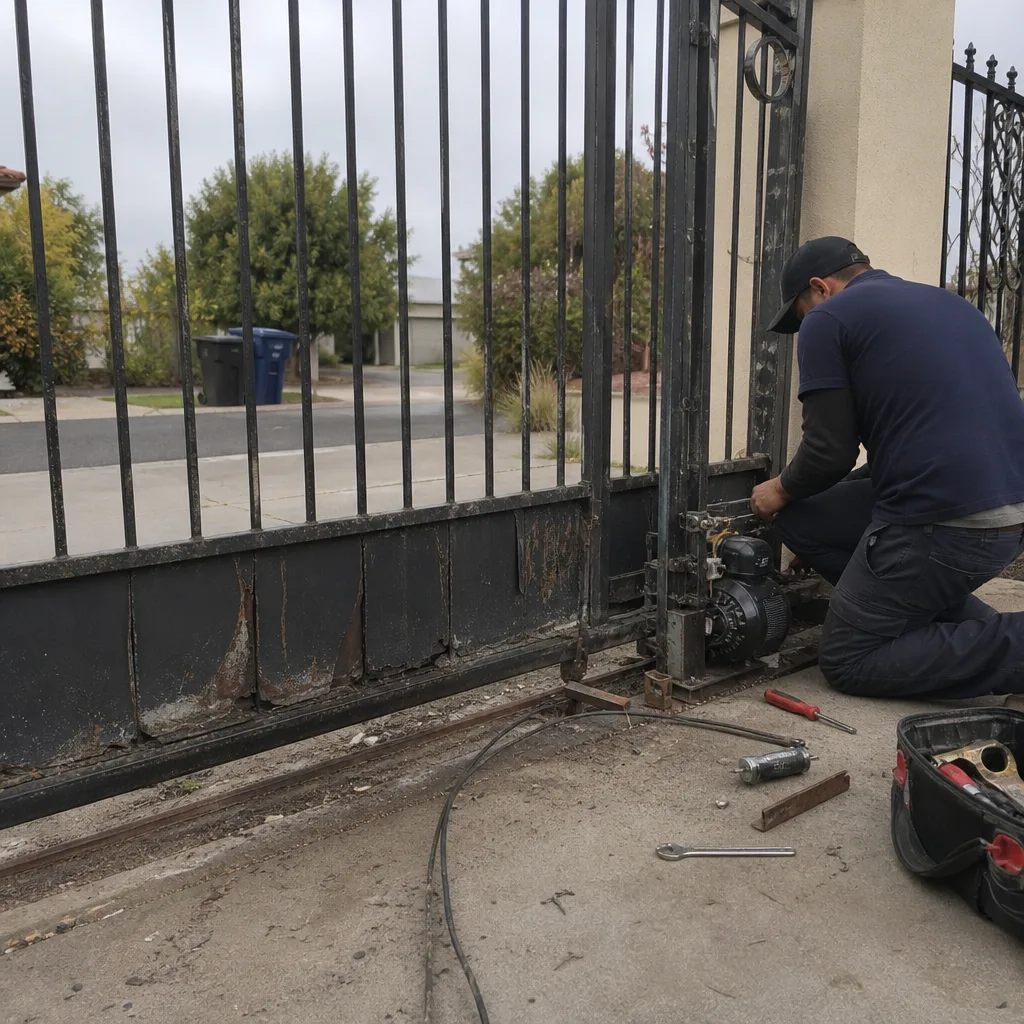 Before
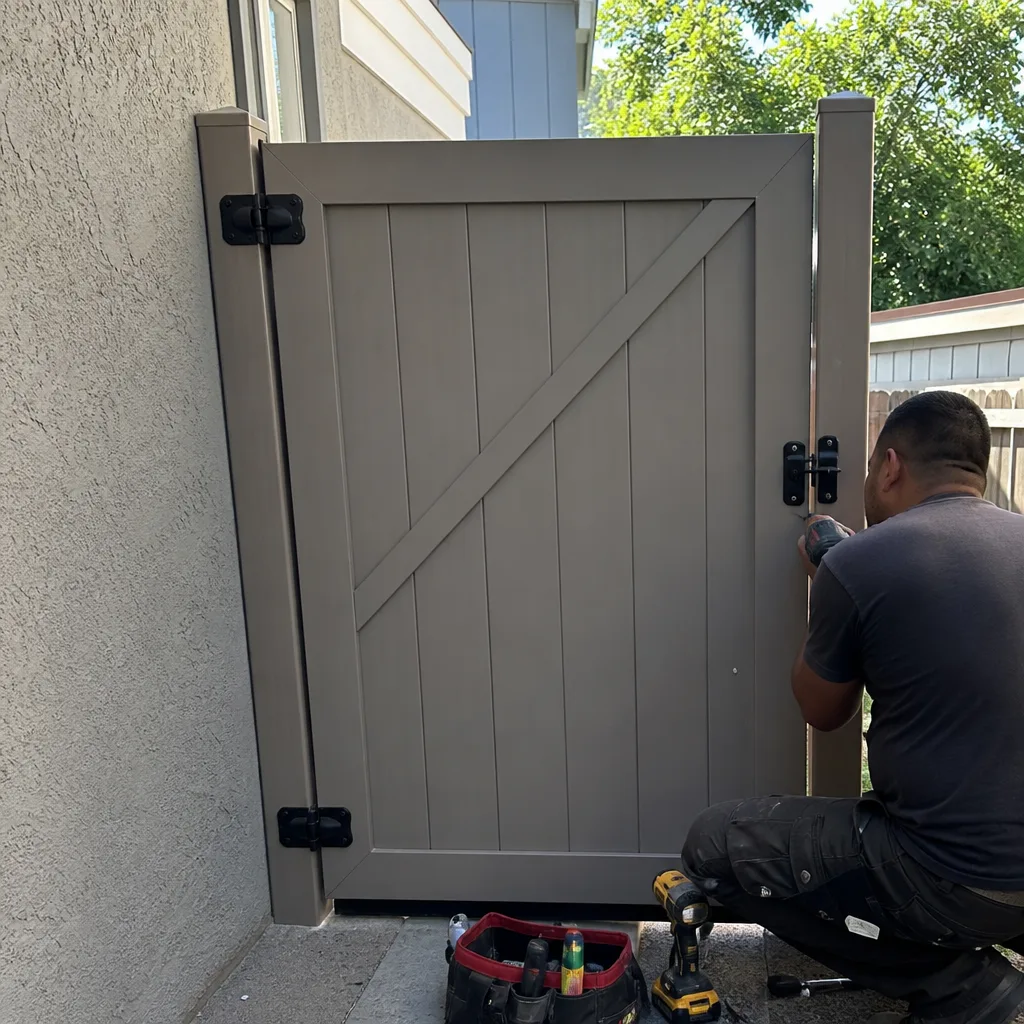 After
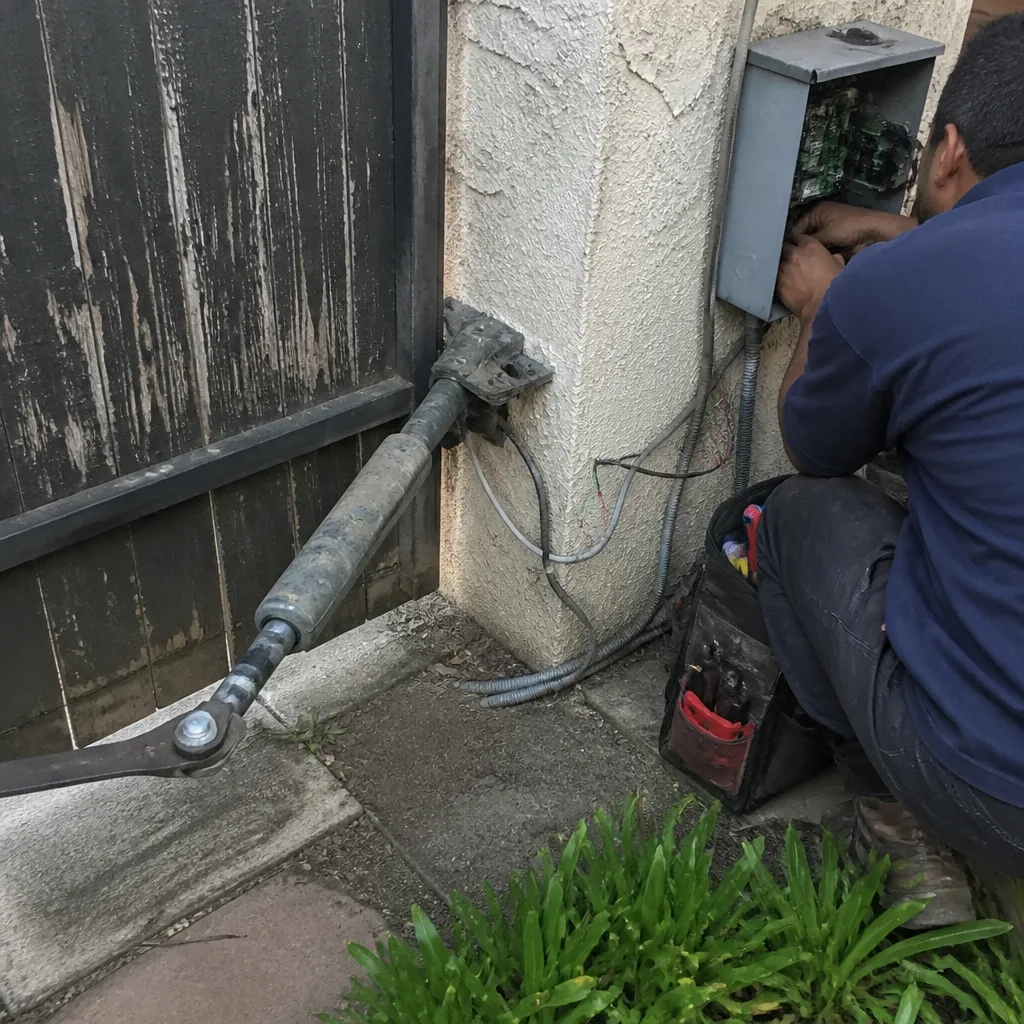 Before
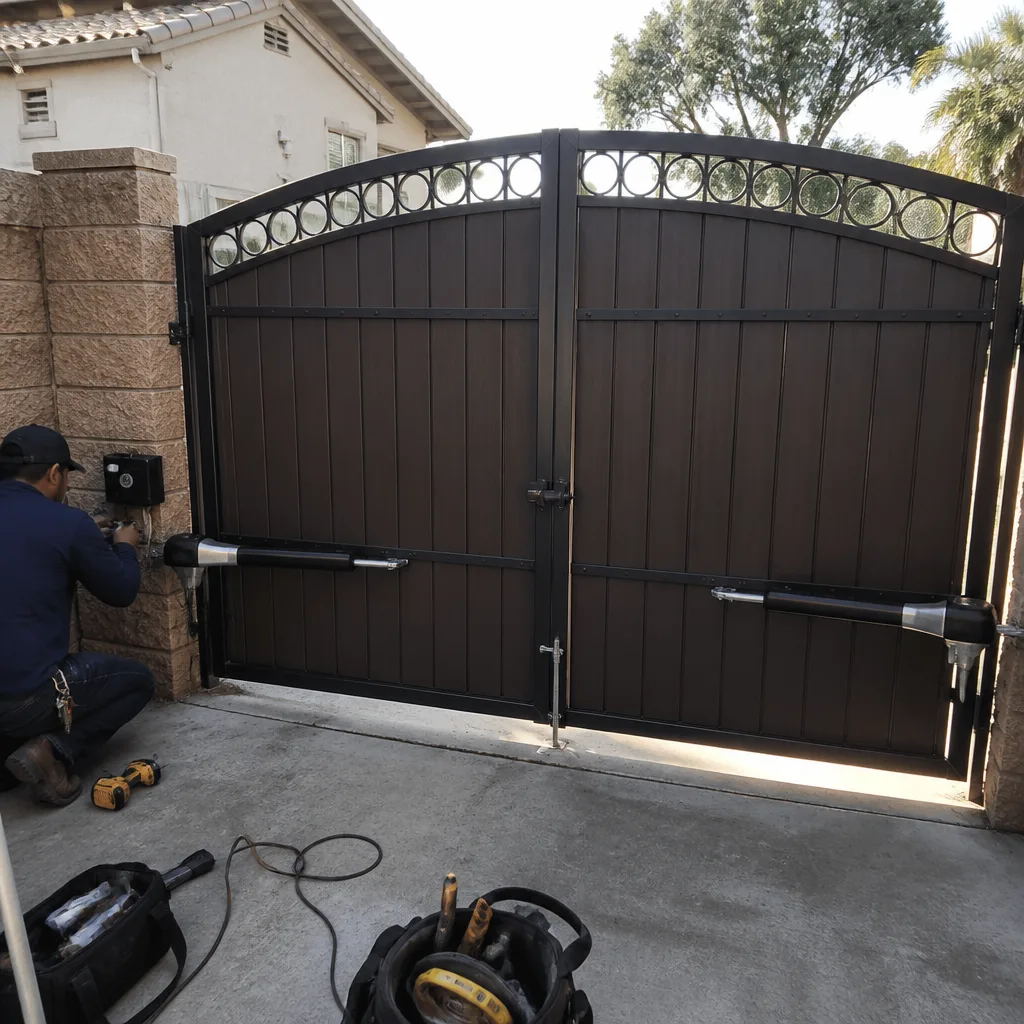 After
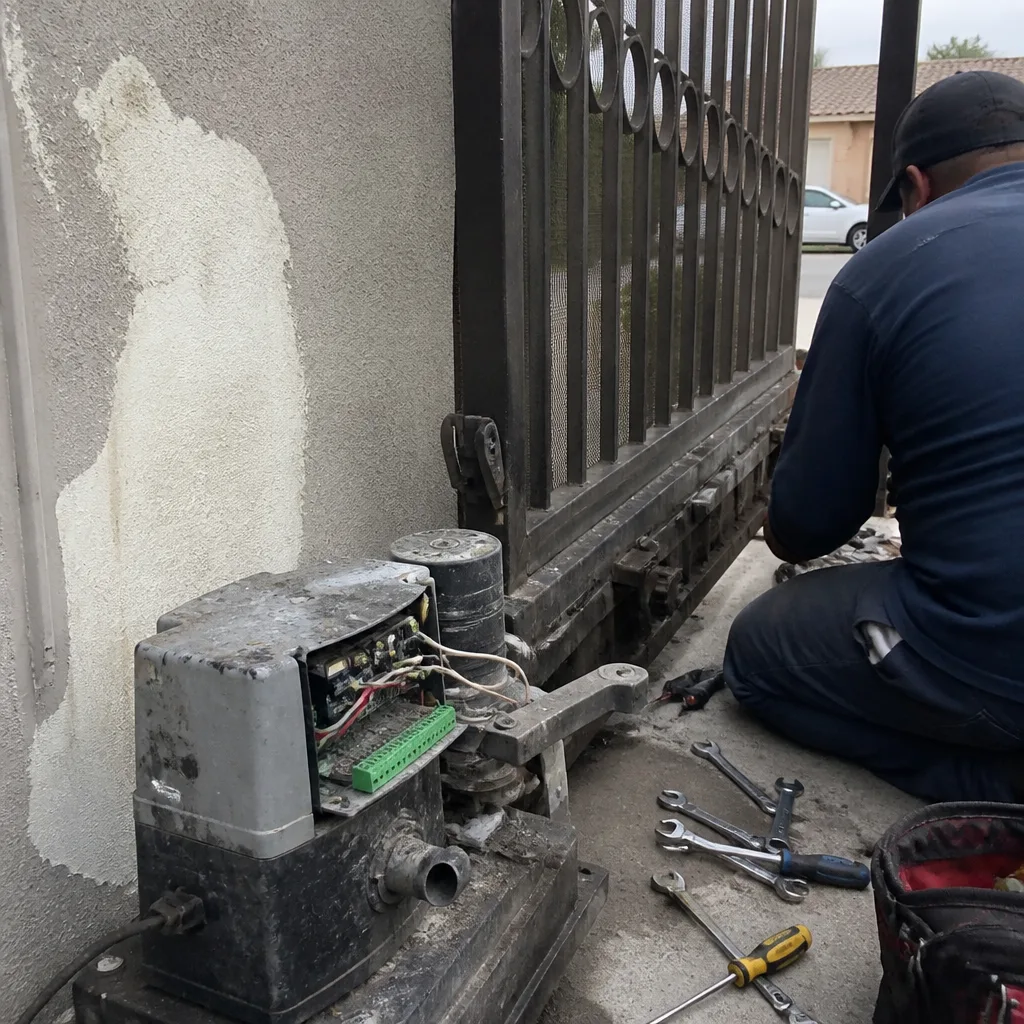 Before
 After
When to Call a Professional
If your gate work involves a new operator, new electrical wiring, access control, or any change to the safety system, that’s a professional’s job. If you’re not sure whether your repair falls into the like-for-like category or the modification category, a licensed gate contractor can make that determination in one visit, before any money is spent on hardware. If the gate serves a commercial property, an HOA, or any situation where the public has access, don’t attempt a repair without a contractor who understands UL 325, the San Diego permit process, and the specific demands of commercial operators. Gate Repair Mira Mesa offers free estimates in Mira Mesa, including a permit determination for any gate project. Call (833) 593-4660 and we’ll assess what your gate needs and whether a permit applies.
Frequently Asked Questions
No permit is needed if you are replacing a failed gate motor with an identical model in the same location with no changes to the electrical circuit or safety system. If you are changing to a different model, changing the electrical requirements, or adding or modifying safety devices, a permit is required through the City of San Diego.
UL 325 is the national safety standard for automated gate operators, requiring entrapment protection devices such as photo eyes and edge sensors on every new installation. It applies to any new or replaced operator in California, including residential driveway gates in Mira Mesa, and any repair that finds an existing non-compliant safety system must bring that system up to current standards.
No, HOA rules sit on top of city code, not instead of it. You must satisfy both. A gate installation that passes city inspection can still violate HOA architectural guidelines, and an HOA can require removal or modification of a gate that the city has already approved.
Your homeowner’s insurance may deny the claim if an investigation finds that non-permitted gate work contributed to the incident. California insurers routinely exclude coverage for damage or injury arising from unpermitted installations, which means the homeowner pays out of pocket for medical costs, vehicle repairs, and legal defense.
Yes, California law allows homeowners to act as owner-builders and pull permits for work on their own residence. However, by doing so you assume liability for the correctness of the work, and you are solely responsible for passing inspections and correcting any violations. Most Mira Mesa homeowners find that hiring a licensed gate contractor is less expensive than managing the process themselves.
Permit fees for a residential gate installation in San Diego typically range from $250 to $600 depending on the scope, the number of electrical circuits involved, and whether plans are required. Commercial permits run higher. The exact cost depends on the specifics of the project, and a licensed contractor can provide a full estimate including permit fees before work starts.
The Bottom Line
California’s gate permit rules are a narrow but consequential set of triggers. Most repairs that restore an existing gate to its prior working state need no permit at all. But new operator installs, access control additions, new electrical work, and commercial gate modifications all require permits through the City of San Diego, along with compliance with UL 325 entrapment protection standards. In Mira Mesa, HOA rules often add a second approval layer beyond city code, and unpermitted work carries insurance and resale consequences that far outweigh the cost of doing the job correctly. When in doubt, have a licensed gate contractor make the permit determination before any work begins. The team at Gate Repair Mira Mesa handles that determination as part of every free estimate; see more guides & resources on our blog.
Written by the team at Gate Repair Mira Mesa, serving Mira Mesa since 2017.